Why we've retired our carbon neutral label
BrainWeb is retiring its carbon neutral label. Not because we've stopped caring, but because we can no longer stand behind the claim. Here's what changed, and what we do instead.
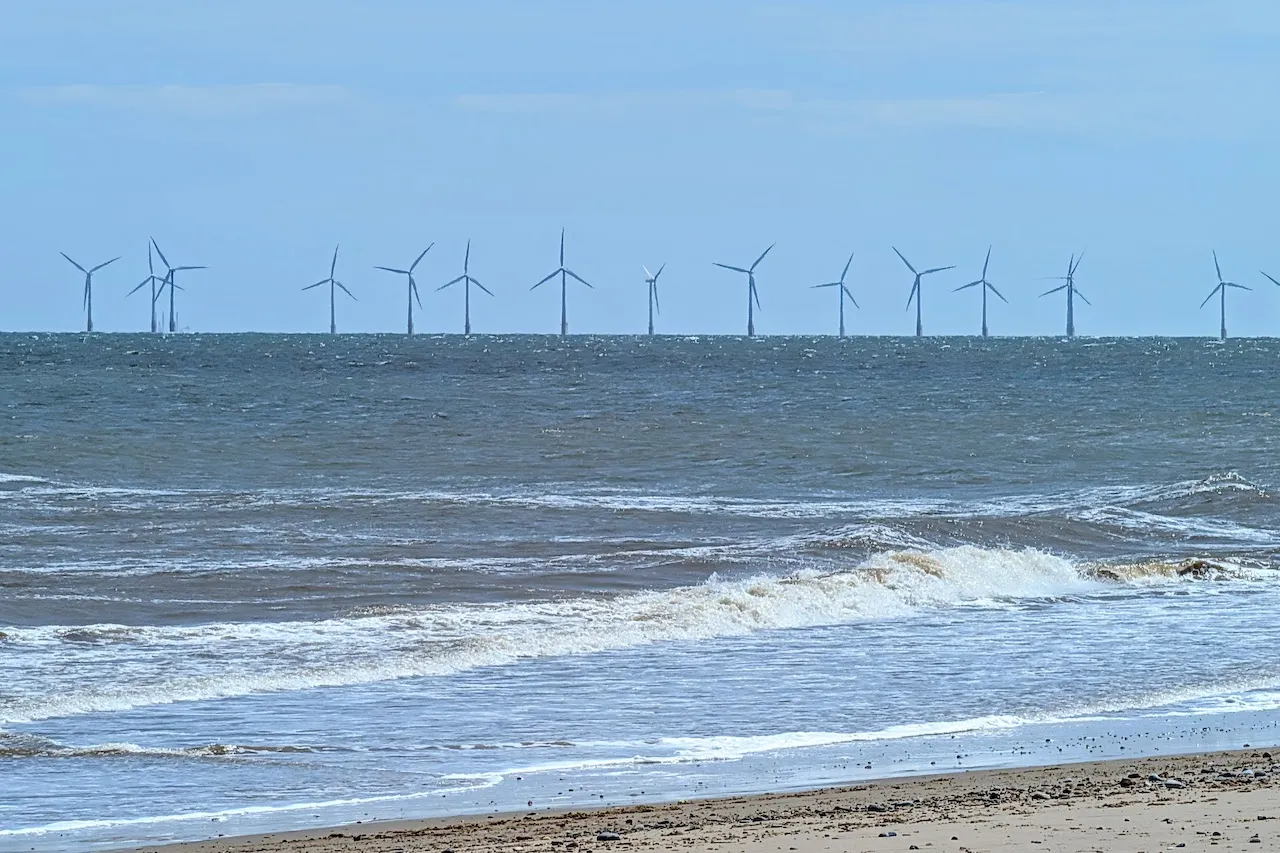
For a few years, BrainWeb carried a carbon neutral label. It was on the website, in conversations with clients, part of how we described the studio. We meant it at the time. We're retiring it now, and this post explains why.
Not because we've stopped caring about the environmental impact of what we build. Because we can no longer stand behind the claim with the confidence the word "neutral" requires, and we'd rather say that plainly than quietly leave it on the page.
What changed
When we first made the carbon neutral claim, the web was a different industry. Data centres ran mostly on predictable server loads. Green energy procurement was straightforward to map. Hosting providers with verifiable renewable energy credentials were easy to identify, and the chain from "we use this host" to "this website is green-powered" was short enough to follow.
The AI boom has made that chain harder to trace. Data centre energy consumption has grown sharply since 2022, driven by the compute demands of training and running large language models. The International Energy Agency reported that global data centre electricity consumption doubled between 2022 and 2026, and is projected to double again before 2030. The renewable energy capacity being built is real, but it is not keeping pace with the demand being created. The same infrastructure that powers a well-intentioned AI assistant is drawing more electricity than it did two years ago, from grids that are not yet clean.
None of this makes the individual decisions we've made wrong. Choosing a green-credentialled hosting provider still matters. Using a modern static framework that serves files from a CDN rather than spinning up a server on every request still matters. These are genuine choices with genuine environmental effects.
But "carbon neutral" is a whole-system claim. It means the net effect is zero. And we can no longer verify that, because no studio of our size can fully audit the upstream energy footprint of every tool we use, every platform we build on, every AI assistant involved in a day's work.
Why we're not replacing it with a different claim
The temptation, when retiring one sustainability label, is to find a softer one. "Sustainability-conscious." "Environmentally minded." "Working towards net zero." All technically defensible, all essentially meaningless, all the kind of thing you put on a website when you want the reassurance without the accountability.
We're not doing that. The brand has one rule that outranks everything else: don't make claims you can't back up. We apply it to pricing, to timelines, to what a website can achieve for a client. It applies here too.
What we do instead is say, specifically, what we actually do.
What we actually do
We choose hosting providers with verifiable renewable energy commitments where they exist, and we review those choices. Our recommended hosting stack, for both managed WordPress and modern JS sites, prioritises providers with independently audited green credentials. We point clients toward those options and explain the reasoning.
We build lightweight sites. A modern static site served from a CDN uses a fraction of the compute of a dynamically rendered WordPress site on shared hosting. Performance and environmental efficiency are the same thing: pages that are fast to load are also cheaper to serve and lighter on infrastructure. We pursue performance because it makes better websites. The environmental side effect is real.
We're honest about the AI tools we use. We use them, and they have an energy cost. We use them where they earn their keep and not as a default. That's partly a quality decision, and partly because the idea of burning compute on something that doesn't improve the work sits badly with us.
We publish our supply chain. The Environmental Policy on this site lists what we use and, where the information is available, what the energy credentials of those choices are. We review it every six months. If something changes, the policy changes.
None of that adds up to carbon neutral. But it's all true, and it's all verifiable, and that matters more to us than a badge.
A note on the industry
We're not the only studio retiring this kind of claim quietly, and we're not the first. A number of web agencies that made carbon neutral commitments between 2019 and 2022 have since removed or softened them, usually without saying why.
We think it's worth saying why, because the reason matters. It's not that the environmental question has become less important. It's that the goalposts have moved, the energy landscape has got more complicated, and the AI tools that the whole industry has adopted in the last two years have added a new layer of consumption that nobody fully accounted for when those earlier commitments were made.
The honest move is to say so, take the badge down, and keep doing the specific things that are actually within our control.
That's what we've done.
Join the Fortress.
Monthly insights on security and design delivered with intellectual precision.