Custom web development, built for the problem

Some projects don't fit a website shape: a tool your customers log into, a calculator, an internal system, two platforms that need to talk. We start from what the project has to do, choose the tools to fit, and build it to the same engineering standards as everything else we make. We’re a small studio in north Norfolk, a short drive from Norwich, doing custom web development for businesses there and across the UK. Quoted per project, in writing, before any work begins.

What we mean by it

Beyond a website, and into software.

Most projects fit a website shape: pages, content, a contact form, perhaps a shop. Custom development is for the projects that don't. It's the work we take on when the answer isn't a website at all, or isn't only a website.

If your project fits one of the standard website shapes, WordPress or modern JS development is the better and cheaper route, and we'll say so. Custom development is for when it doesn't.

  • Web applications.

    Tools your customers or your staff log into and use, rather than pages they read.

  • Bespoke functionality inside an otherwise normal website.

    A calculator, a configurator, a booking engine, a data dashboard.

  • Internal tools.

    Software that runs a part of your business, that the public never sees.

  • Custom integrations.

    Connecting systems that have no off-the-shelf way to talk to each other.

  • Custom plugins and modules.

    Extending WordPress or another platform with clean, purpose-built code.

How we work

Worked out before it's built.

A few things that shape every custom project at BrainWeb.

Scoping comes first, and it matters most

Custom projects succeed or fail on how clearly the work is understood before it starts. The scoping conversation gets whatever time it needs: what's being built, what it has to do, and where the real complexity sits, all settled before any quote is written.

We start small where it reduces the risk

For a larger project, the sensible first step is often a prototype or a first phase: something real you can see and use before committing the whole budget. It's a better way to spend money than a long build against a spec nobody has tested.

The tools follow the problem

We build on whichever foundation suits the brief: Next.js, Astro, Python, Payload, or a custom backend. The toolkit is chosen for the job, not picked in advance and forced to fit.

The same engineering standards as any build

Version-controlled code, clean structure, testing matched to what the software does, security and data handling thought through, and the whole codebase read by a frontier AI model before launch. The standards are what stop custom work becoming a liability later.

Phased delivery, with you in the loop

Bigger projects are delivered in stages you can see and respond to, rather than disappearing into a long silence and reappearing as a finished thing. You stay in the loop, and the direction stays correctable.

Your code is yours

You get the codebase, the documentation, and the ability to take the work elsewhere if you ever need to. No lock-in, no holding your own software hostage.

The capability

A studio that built software before it built websites

It's fair to be cautious here. Plenty of web studios design a tidy website but sub-contract anything more demanding, or take it on and run out of depth halfway through.

BrainWeb's founder, Ric, came to web work from an unusual direction. Before the studio there was a PhD in computational neuroscience and postdoctoral research building biologically realistic computational models of brain circuits, from individual neurons up to systems-level behaviour. There was also a commercial aquaponics venture, for which he designed and built the control software.

The day-to-day toolkit now is JavaScript, TypeScript, and Python, alongside the WordPress and modern framework work.

The point isn't the background for its own sake. It's that custom software, the kind that means modelling a real system and handling data carefully, is familiar ground here rather than a stretch.
What's included

What's in every custom project.

Custom projects vary widely, but the way we run them doesn't. Every one includes the following.

  • A scoping conversation before any quote is written, free, and as long as it needs to be
  • A fixed written quote, or a clearly staged quote for larger phased projects, before any work begins
  • A prototype or first-phase build where it reduces the risk of the larger commitment
  • Clean, version-controlled code built to professional standards
  • Testing appropriate to what the software does
  • Security and data handling thought through, with GDPR compliance as the baseline
  • Documentation covering how the software is built and how to run it
  • Full ownership of the code, and the right to take it elsewhere
  • A handover, with training on anything you or your team will operate
  • Direct access to the maker, throughout the project and for as long as you're a client

Recent Work

A few recent custom projects.

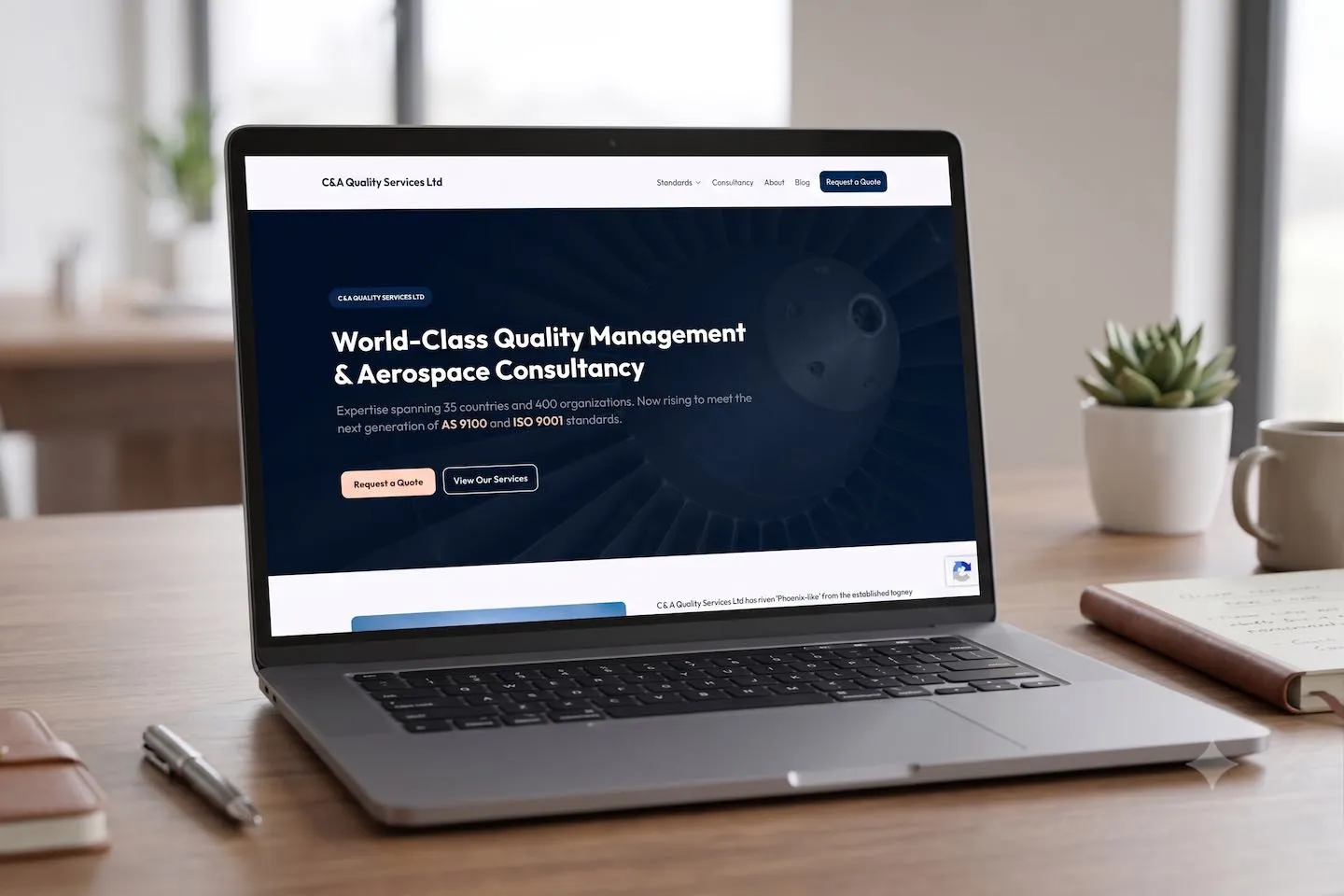
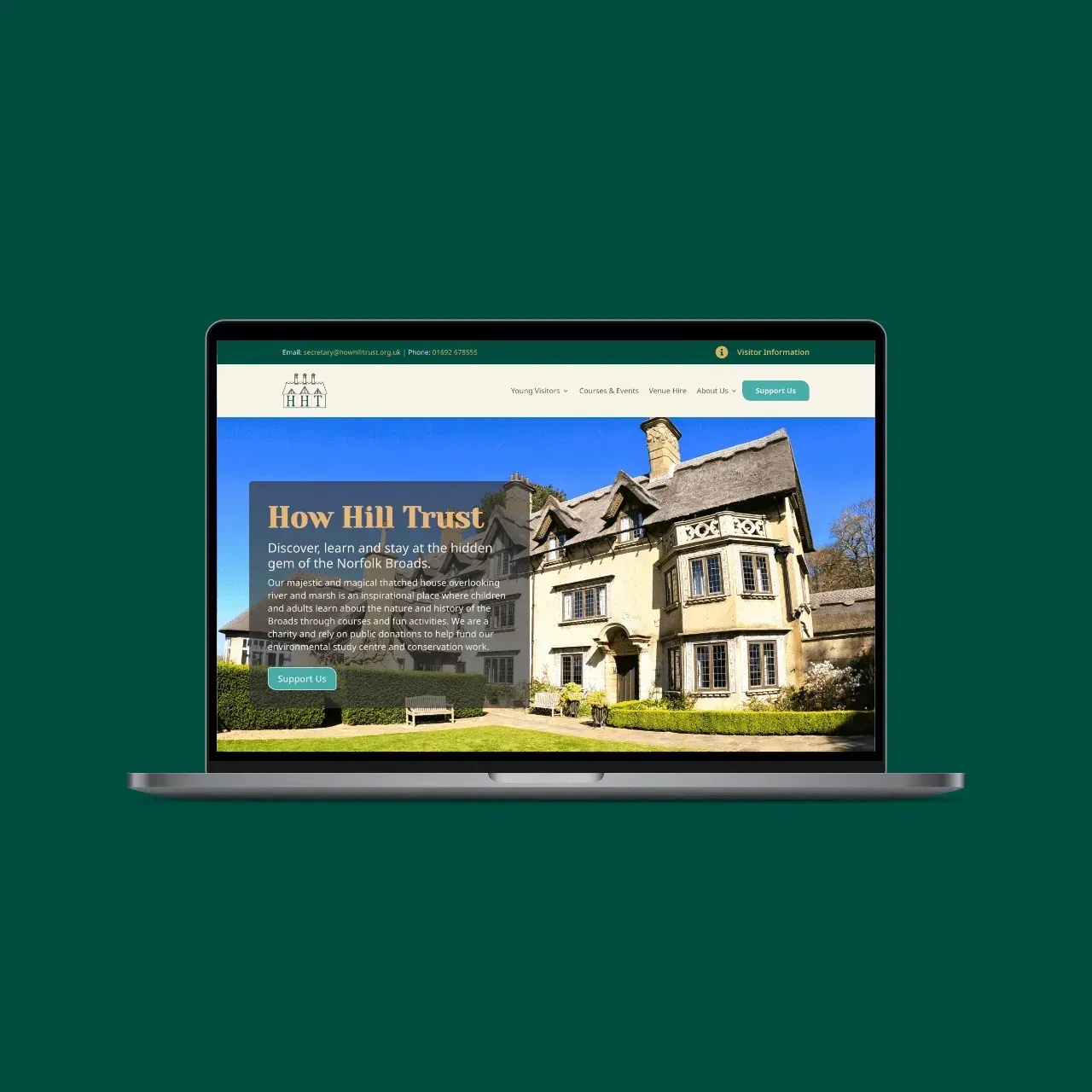
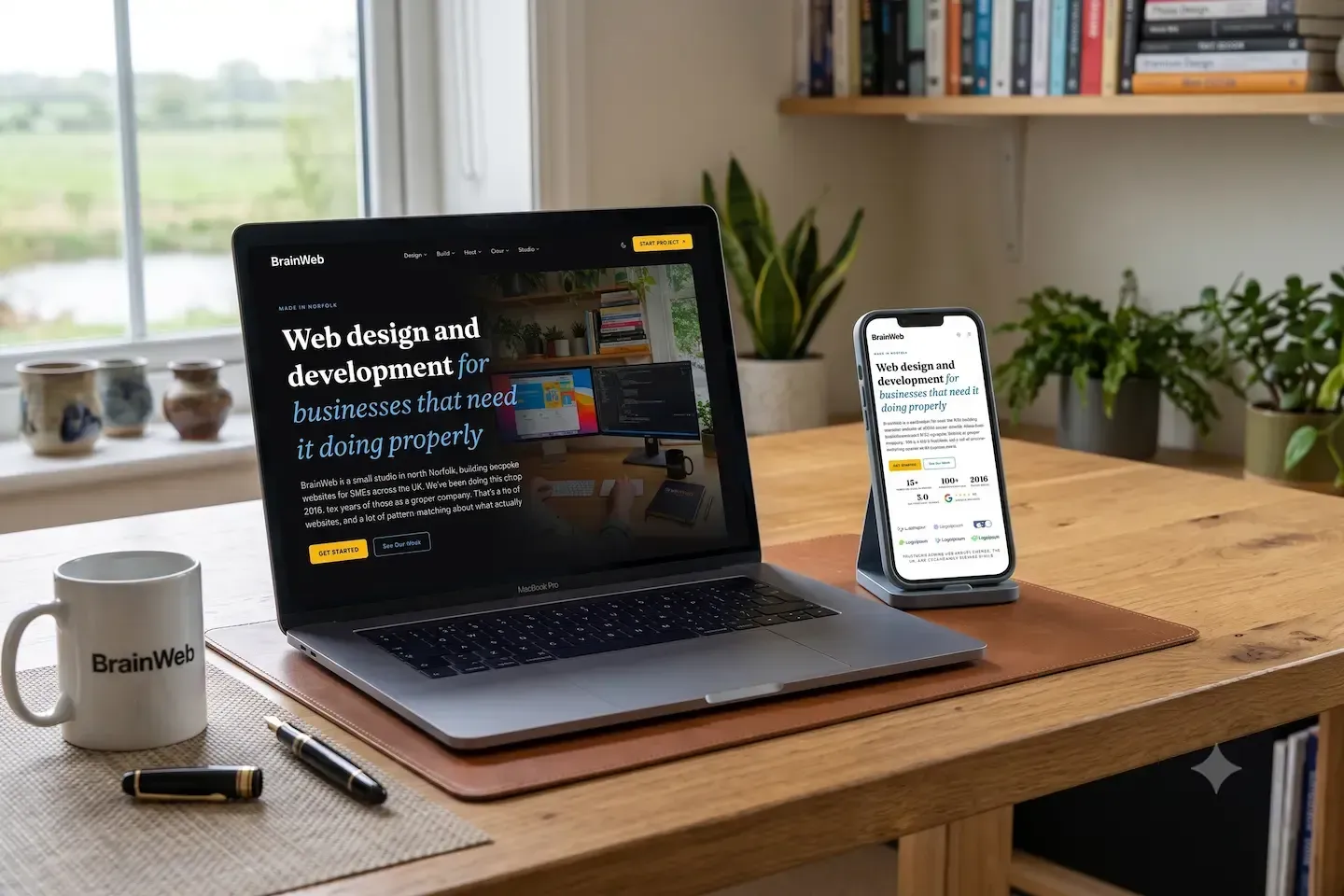
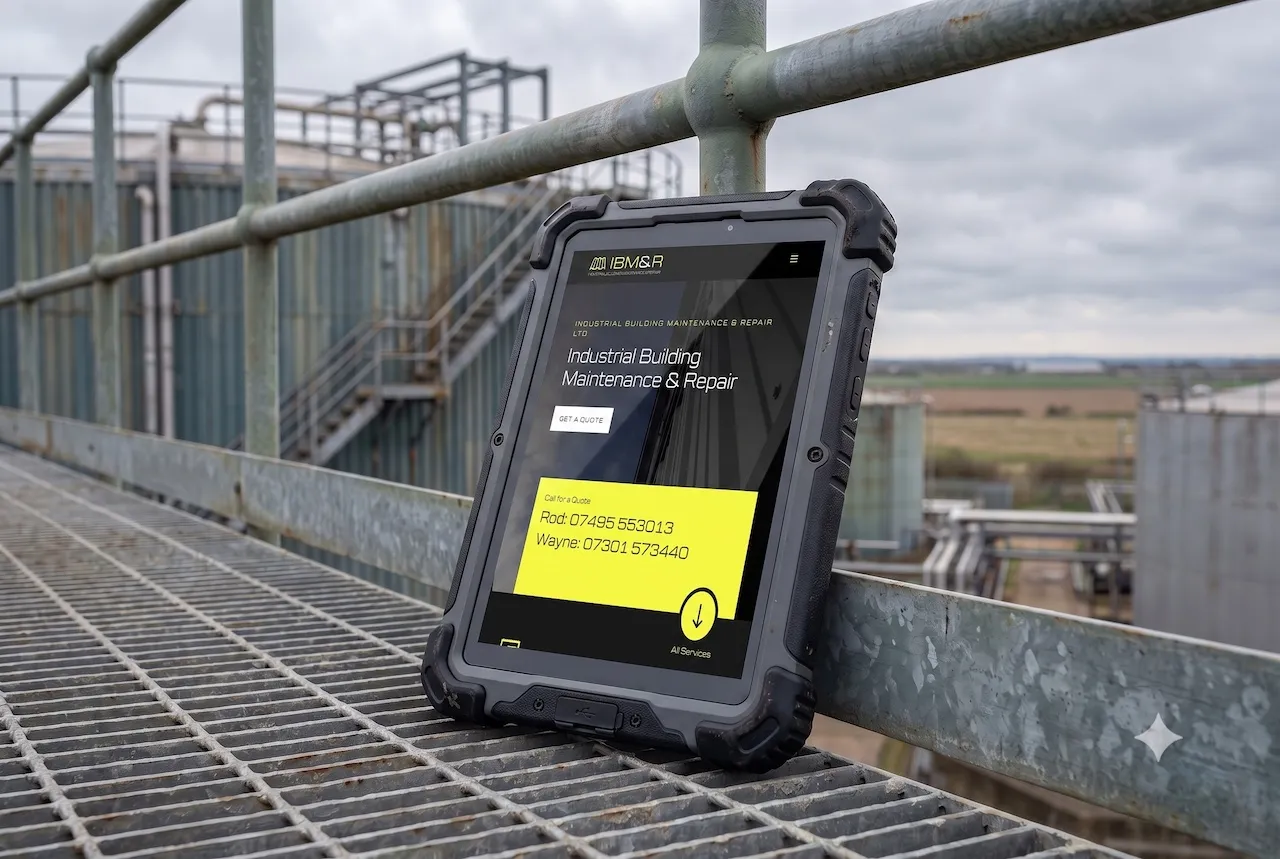
Custom development covers a lot of ground, from small bespoke features to standalone applications. A few recent examples.
View all build projects

What it costs

Priced per project, because no two are alike.

Custom development can't be priced from a list. A bespoke feature added to an existing site and a standalone web application are different kinds of work, and the only figure worth having is one based on your project. Every project is quoted in writing before any work begins, fixed for defined scopes and staged for larger ones, and the figure we agree is the figure on the invoice.

Small, standalone code jobs

Billed hourly, with no minimum block and the rate agreed up front

Application-shaped projects

Scoped individually, with a fixed quote once the scoping conversation has done its job

Larger projects

Quoted in clear stages, so you commit a phase at a time

The design side

A custom build still needs to look right.

Plenty of custom projects have a public-facing side: a customer login, an interface people use daily, marketing pages around the application. Where that's the case, the build pairs with bespoke web design, so the thing is designed around how it will be used, not just engineered to function.

For internal tools that only your team will ever see, the design effort goes into clarity and usability rather than visual identity. Either way, the design and the build are handled in the same studio, by the same person.

The other options

Not sure custom is what you need?

If your project fits a standard website shape, one of the other two build paths will serve you better, and cost less. The Build overview has a comparison to help you choose.

Got something that isn't quite a website?

The first conversation costs nothing and commits you to nothing. Tell us what you're trying to build, or just the problem you're trying to solve, and we'll come back with a view on whether custom development is the right answer, and on the better route if it isn't.

Get Started
5.0 on Google · 15+ years at the craft · Smallburgh, Norfolk